
Imagine the standard timing belt, the unsung hero that keeps your engine's top and bottom halves playing nicely together. Usually, it's a robust, toothed rubber belt living outside the oily innards of the engine, often under a protective cover.
Now, picture this: instead of that “dry” existence, a wet belt takes a plunge inside the engine. Yep, it's designed to run fully immersed in the engine oil, right there with all the other lubricated components.
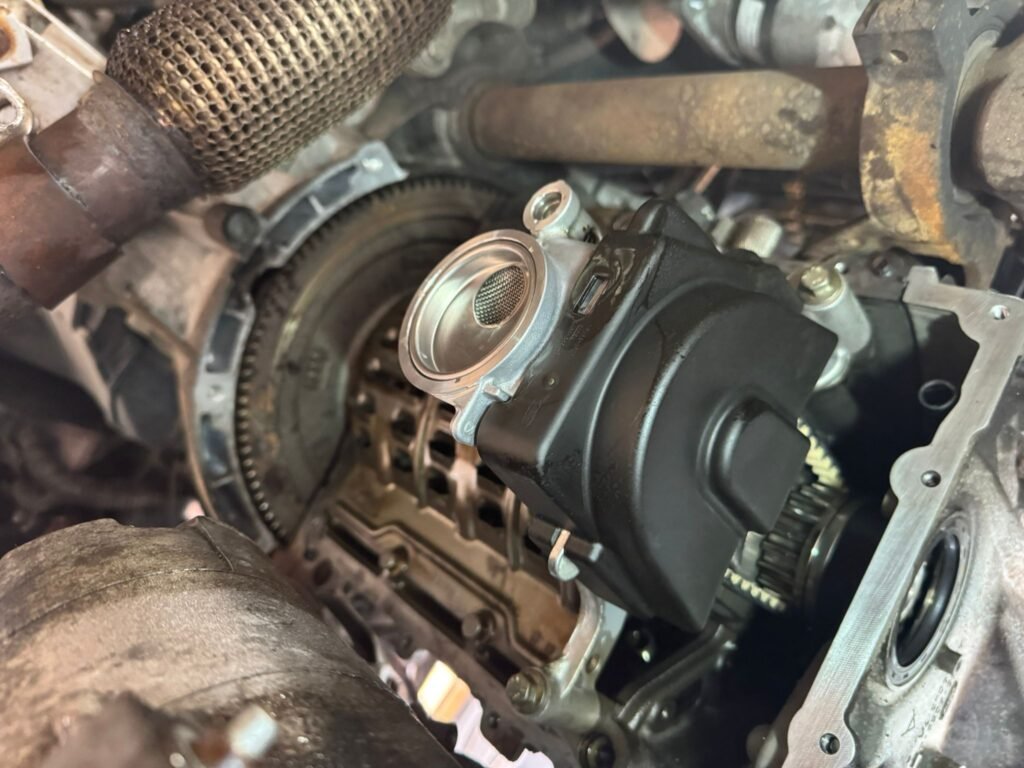


Think of it like this
The job's the same
Just like its dry cousin, this belt makes sure the crankshaft (the bit doing the turning at the bottom) and the camshaft(s) (the bit that opens and closes the valves up top) are perfectly in sync. No synchronisation, no happy engine!
The big twist
It's swimming in oil! These belts are made of special stuff that can handle the constant oil bath.
What the engineers were aiming for
- Maybe a bit less friction because of the oil.
- Potentially a quieter engine.
- Being bathed in oil could make it last longer.
The potential downsides
- Living in oil and dealing with engine heat can make the belt material break down over time.
- As it wears, tiny bits of the belt can end up floating around in the oil, which isn’t ideal for the engine’s health. These bits could potentially clog things up.
- Getting to a wet belt to replace it is often more involved than swapping a regular timing belt.
So, in short, a wet belt is a timing belt that's designed to operate inside the engine's oil system. It's a different approach to engine timing with its own set of potential pros and cons.